WHY BREAD RISES
Yeast and gluten
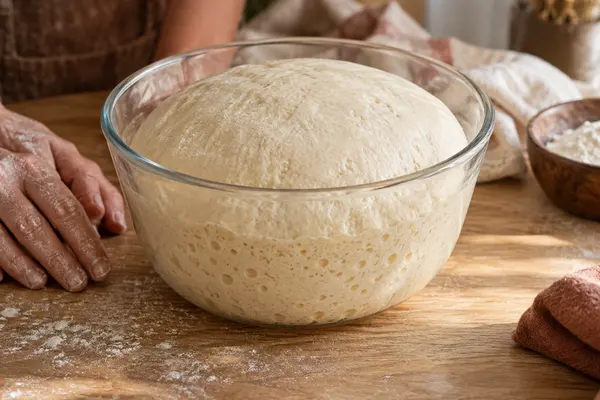
Yeast turns sugars into carbon dioxide gas, and a stretchy gluten network traps it, so the dough swells.
See the facts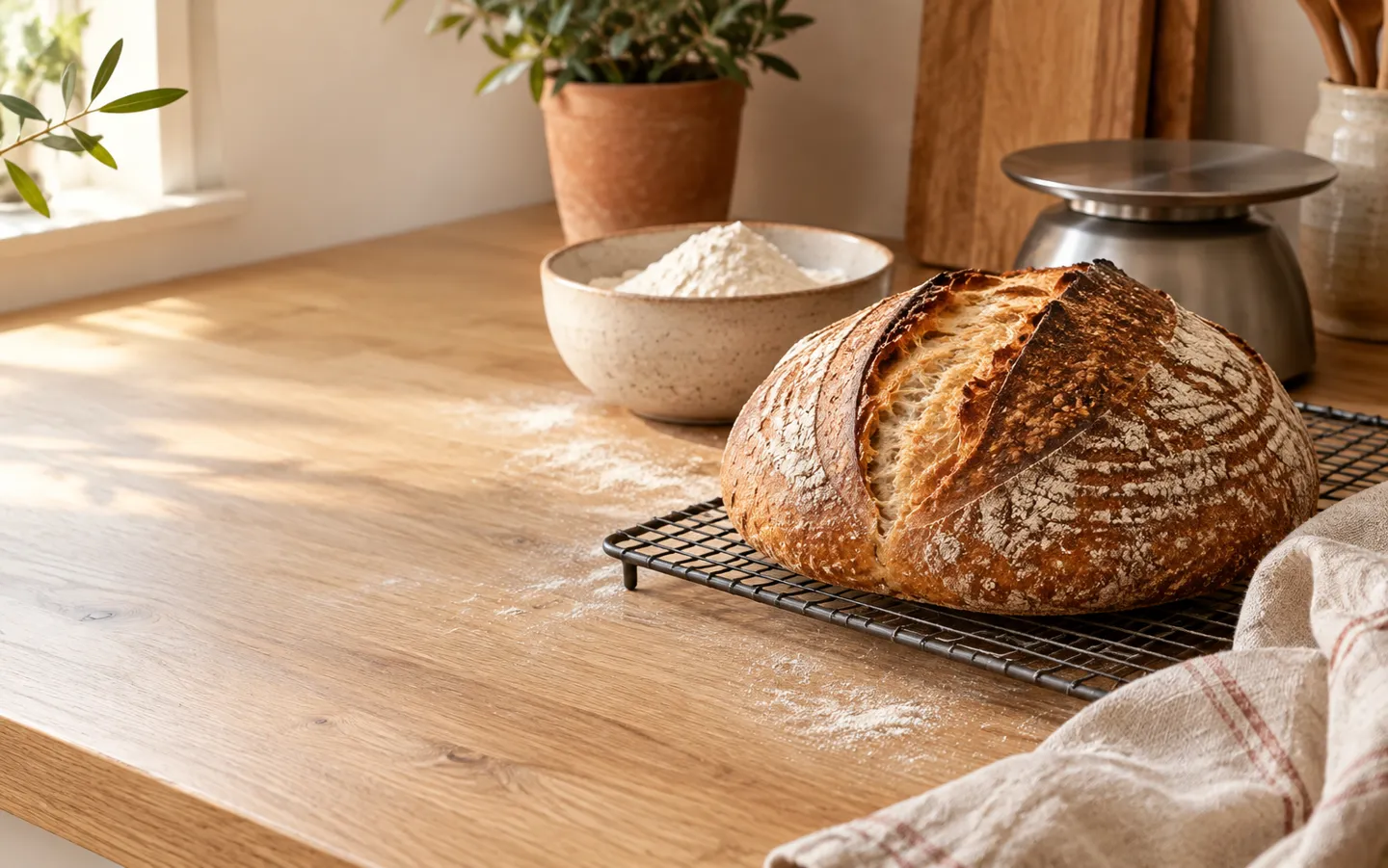
 doodlebake
THE SCIENCE OF BAKING
MAILLARD from 120°C
Every bake is a small chemistry experiment.
Yeast makes the gas, gluten holds it in, and heat turns pale dough into a golden crust. Knowing what happens, and at what temperature, explains most of what goes right or wrong. Here is the science, in plain English.
Plain English, with the sources linked.
Updated
Climb the heat ladderTHE SHORT ANSWER
Three bits of science sit behind
almost every loaf and sponge.
WHY BREAD RISES
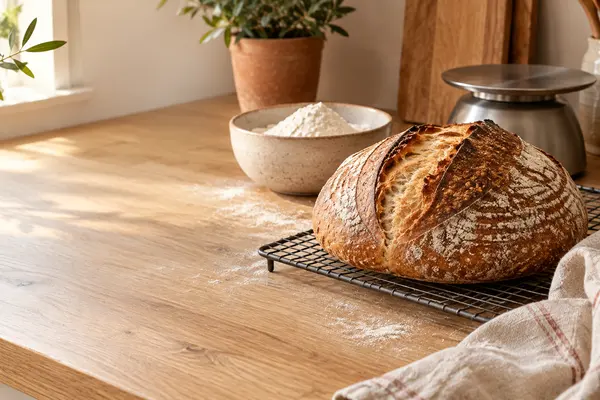
Yeast turns sugars into carbon dioxide gas, and a stretchy gluten network traps it, so the dough swells.
See the factsWHY CAKES BROWN
Browning is chemistry. Sugars and proteins react from about 120°C; table sugar caramelises nearer 160°C.
Climb the heat ladderWHY WEIGHING WINS
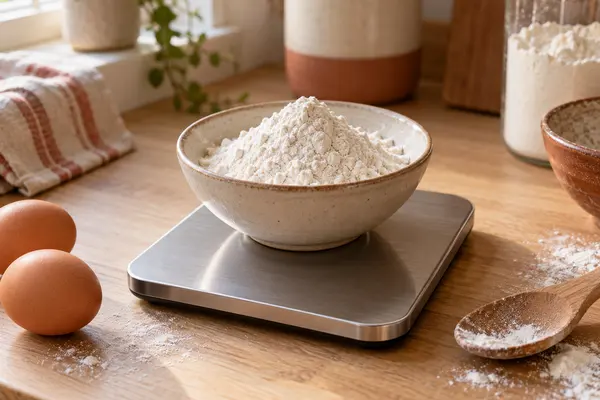
A cup of flour can weigh up to 20 percent more or less depending on how it is filled. Grams do not drift.
See the numbersTHE HEAT LADDER
Pick a rung to see what changes in your dough or batter as it warms. The temperatures come from university chemistry teaching material, the Exploratorium and NIST.
These are approximate thresholds, not exact switches. Real doughs contain water, salt, sugar and fat, which all shift the details.
TWO NUMBERS WORTH KNOWING
Most baking problems come down
to how much, and how hot.
up to 20% apart
Weight of one cup of flour
America’s Test Kitchen found that, depending on technique and how firmly it is packed, a cup of flour can vary by up to 20 percent in weight. NIST calls weighing ingredients on a kitchen scale a best practice for recipe accuracy.
HOW MUCH · THE CUP
120°C vs 160°C
Maillard versus caramelisation
Maillard reactions between sugars and proteins need around 120°C, while table sugar on its own needs about 160°C to caramelise. Steam from a double boiler reaches only 100°C, which the University of Richmond notes is too cool to caramelise sugar.
HOW HOT · BROWNING
If your oven runs cooler than its dial says, both thresholds arrive later, or not at all, which is one reason a pale crust can follow a perfectly good recipe.
BAKE BETTER
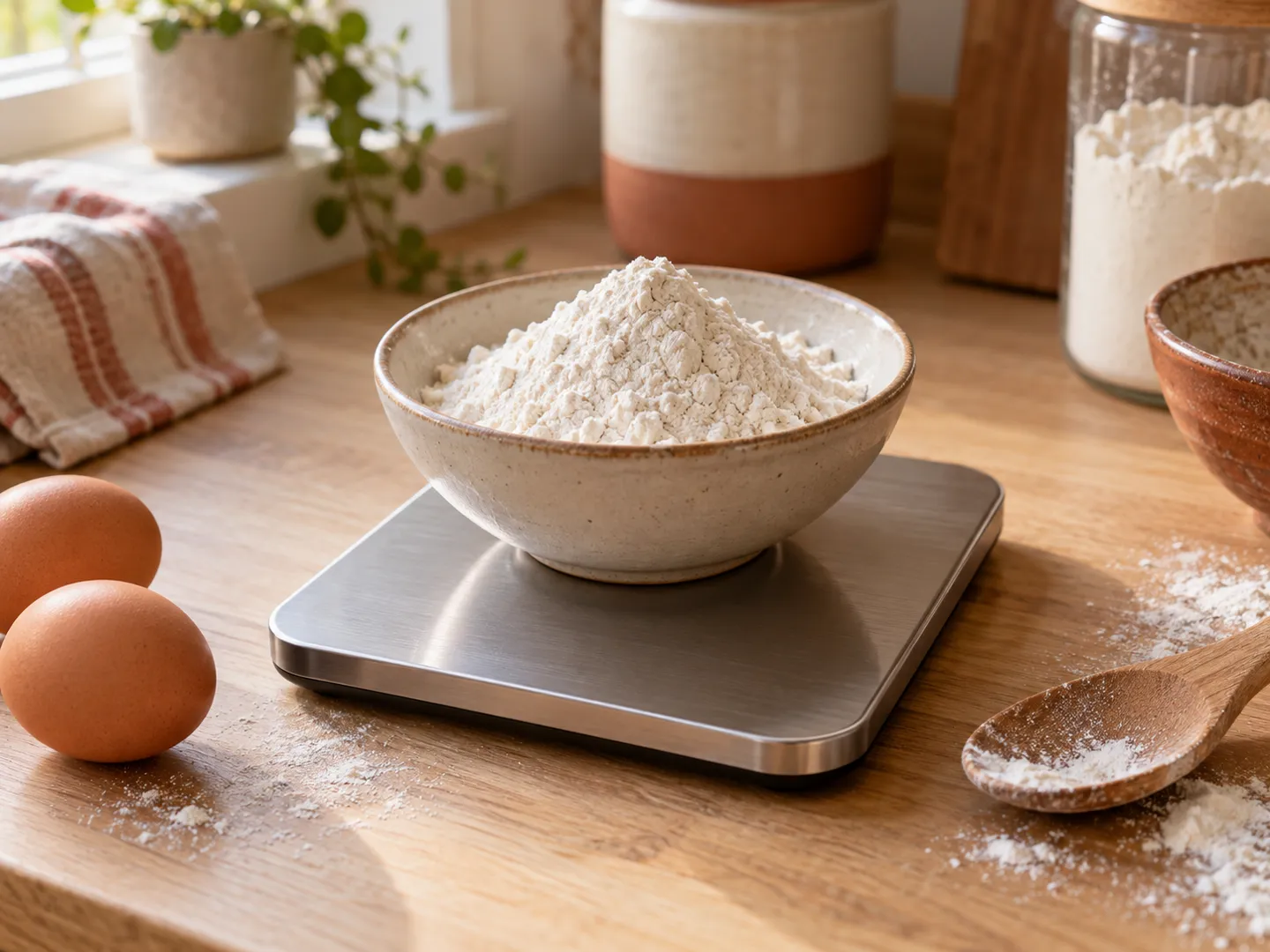
Use a kitchen scale and recipes that give grams. It removes the biggest source of variation before you even start.
NIST suggests reading a cooking thermometer in boiling water, which is 100°C at sea level, and adjusting for any difference.
Dough rises best in a warm spot rather than a hot one. Yeast is most active at around 27°C to 32°C.
Higher-protein bread flour for chewy, open loaves; lower-protein cake flour for a soft, tender sponge.
BAKING FACTS
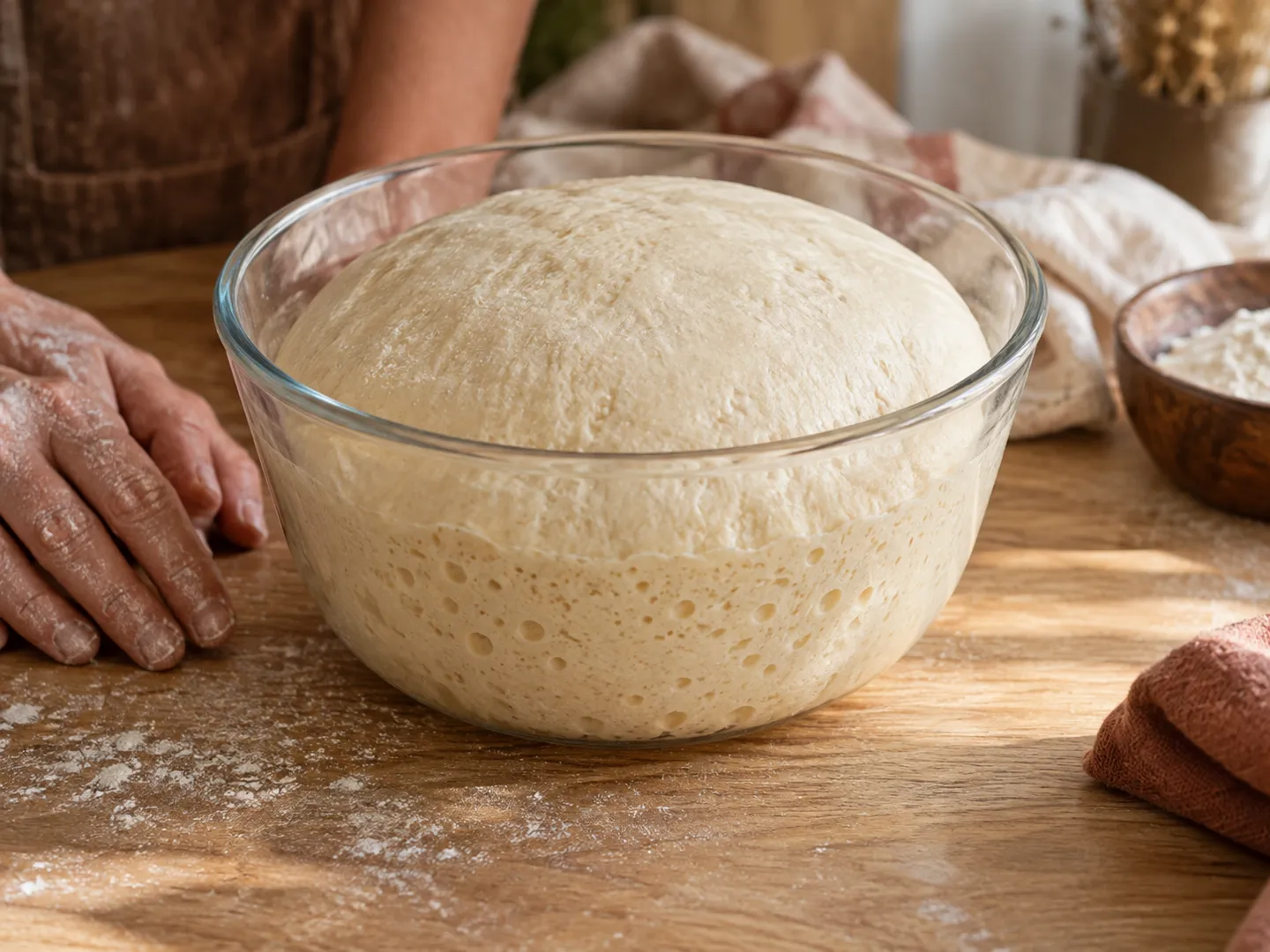
Yeast grows and multiplies best at around 27°C to 32°C while dough ferments. Somewhere between 55°C and 60°C the cells die, their thermal death point.
As yeast ferments, it produces carbon dioxide. The gas expands in the dough, stretching the gluten network that holds the loaf’s shape.
Wheat contains glutenin and gliadin, which form gluten once water is added. Bread and all-purpose flours carry about 9 to 15 percent protein; cake and pastry flours about 7 to 9 percent.
Fructose, found in fruit and honey, starts to caramelise at about 110°C. Ordinary table sugar, sucrose, needs around 160°C, so the type of sugar in a recipe changes how soon it colours.
In bread, salt is usually about 1.5 to 2 percent of the flour’s weight. It is a figure that is easy to hit with a scale and easy to miss with spoons.
QUICK QUESTIONS
Short answers to the questions people ask most.
Yeast feeds on sugars in the dough and gives off carbon dioxide gas. Gluten, the protein network formed when wheat flour meets water, traps that gas, so the dough expands like a balloon instead of letting it escape.
The Exploratorium’s baking temperature table puts the thermal death point of yeast at about 55°C to 60°C. Yeast grows best during fermentation at around 27°C to 32°C.
Maillard browning is a set of reactions between sugars and proteins that starts at around 120°C. Caramelisation involves sugar alone and needs more heat: about 160°C for ordinary table sugar, though fructose starts at about 110°C.
A cup of flour can vary a lot depending on how it is scooped and packed. America’s Test Kitchen found up to a 20 percent difference in the weight of a cup of flour, and NIST calls weighing ingredients a best practice for accuracy.
Mostly protein. Bread and all-purpose flours contain roughly 9 to 15 percent protein, which forms more gluten for chewy, well-risen loaves. Cake and pastry flours have about 7 to 9 percent, for a softer, more tender crumb.
Sources
A NAME WITH A GOLDEN CRUST
doodlebake.com is part of the DoodleSale portfolio. It isn't in an auction right now, but you can ask about leasing it.